
You’ve probably heard of microlearning in the world of professional development or corporate training. Businesses use it to train employees in short, focused bursts—a quick 5-minute video, a mini-podcast, or a short quiz to teach one specific skill at a time. The idea took off because it worked: adults were more likely to engage, remember, and apply what they learned when content was concise and targeted.
Now, that same concept is making its way into K–12 classrooms, and for good reason. Our students today are busier than ever, with shorter attention spans and endless information competing for their focus. Microlearning offers teachers a way to meet students where they are, breaking lessons into small, meaningful chunks that improve engagement and retention—without adding hours of prep time for you.
Where Microlearning Comes From—and Why It Works
Microlearning has been used in corporate training and online professional development for over a decade. It’s grounded in cognitive science:
- Cognitive load theory: Our brains can only handle so much new information at once. Short bursts reduce overload.
- Spaced repetition: Revisiting key ideas over time boosts long-term retention.
- Focus on one goal: Microlearning centers on one skill or concept at a time, making it easier to master before moving on.
This model became popular with adults, but the research behind it—especially around memory, attention, and reinforcement—applies just as well to kids. If adults benefit from short, high-impact lessons, why wouldn’t students?
Bringing Microlearning Into Your Classroom
Microlearning isn’t a new curriculum—it’s a delivery method you can apply to any subject. Here’s what it looks like in action:
- Length: Usually 3–10 minutes per “lesson” or content burst.
- Focus: Covers one concept, skill, or example—not an entire topic or chapter.
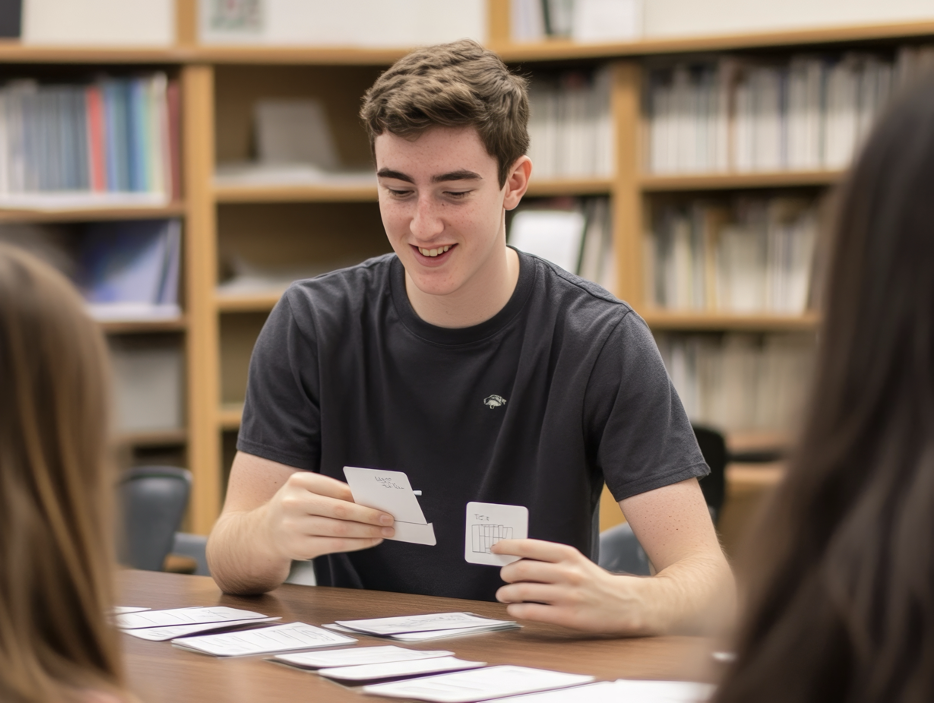
- Format: Short videos, mini-podcasts, quick quizzes, infographics, flashcards, or brief live explanations.
- Follow-up: A simple activity to apply or reflect on what was learned (think 1–2 minutes).
These “learning snacks” can be inserted anywhere in your lesson plan—morning warm-up, mid-lesson refresher, or end-of-class review—and can even be sent home for quick reinforcement.
Practical Ideas for Different Grade Levels
Elementary (K–5)
- Math Bites: A 5-minute animated video on adding fractions, followed by a 2-question quiz or a hands-on example with manipulatives.
- Mini Story Podcasts: Record yourself reading a 2-minute story snippet with sound effects. Students listen and answer one prediction question.
- Word of the Day: Introduce a new vocabulary word via a short slideshow with pictures. Students draw or use it in a sentence before moving on.
Middle School (6–8)
- Science Quick Recaps: Play a 4-minute video explaining photosynthesis. Students complete a quick “draw the process” activity in notebooks.
- History Hot Takes: Share a 5-minute podcast about a key event (e.g., the Boston Tea Party). Students turn and talk about how it connects to what they’re learning.
- Micro-Writing Tasks: Present a grammar rule in 3 minutes, then have students rewrite one sentence correctly.

High School (9–12)
- Literature Audio Clips: Listen to a 6-minute podcast analyzing a theme in Romeo and Juliet. Students jot down one supporting quote.
- Mini Current Events: A short video or infographic about a breaking news topic related to class. Students discuss or debate in small groups for 5 minutes.
- STEM Micro-Demos: A quick experiment or simulation (under 7 minutes) showing a math or physics principle, followed by a one-question reflection.
Tools and Formats to Try
Microlearning works best when you have flexible, easy-to-use formats at your fingertips. These tools let you deliver focused lessons quickly, without needing elaborate prep or new platforms. Here are some of the most popular ways teachers are bringing microlearning into their classrooms:
- Short Videos: TED‑Ed, CrashCourse, or teacher-created screencasts to explain one concept in a few minutes.
- Mini Podcasts: Record brief audio lessons using free tools like Vocaroo or Soundtrap—perfect for listening on the go.
- Flashcard Apps: Use Quizlet, Kahoot! challenges, or simple slideshows for quick vocabulary or concept reviews.
- Infographics: Summarize complex ideas visually with Canva or Google Slides for a one-page, easy-to-scan reference.
- One-Slide Reviews: Create a single “big idea” slide to wrap up class or provide a quick homework refresher.
Tips for Making Microlearning Work
Just because it’s short doesn’t mean it’s automatically effective. A great microlearning activity is intentional, interactive, and focused on helping students connect with content quickly. Keep these tips in mind as you design your “learning snacks”:
- Keep it laser-focused: Each micro-lesson should have one clear, measurable goal.
- Build in interaction: Ask students to respond, draw, or discuss right away to make learning active.
- Mix it up: Use a variety of video, audio, and visuals to appeal to different learning styles.
- Use it for reinforcement: Microlearning shines when previewing upcoming material or reviewing tricky topics.
- Let students create: Challenge students to design their own 3–5 minute “microlesson” to teach classmates.
Why Microlearning Helps Students (and Teachers)
This isn’t just a trendy idea—there’s real science behind microlearning. Short, focused bursts of instruction help students learn more effectively and feel more confident, while also making life easier for busy teachers. Here’s why it works:
- Less overwhelm: Students process information in small, digestible chunks, avoiding cognitive overload.
- More flexibility: Micro lessons can fit anywhere in your schedule—at the start of class, mid-lesson, or for homework.
- Higher engagement: Quick, interactive elements keep students attentive and reduce fatigue.
- Better retention: Revisiting key ideas in short bursts helps information stick long-term.
- Teacher-friendly: You can repurpose existing materials or find free resources, making this approach low-prep but high impact.
Final Thought
Microlearning may have started as a buzzword in corporate training, but it’s proving to be just as powerful in K–12 classrooms. You don’t need fancy tech or new curriculum—just think small. A well-planned 5-minute activity, a quick podcast, or a visual one-pager can make learning feel more accessible and less overwhelming for students. Start by adding just one microlearning element this week, and see how it transforms your classroom energy and student understanding.
Further Reading
- Wikipedia – Microlearning Overview
- Silva et al., 2025 – Microlearning in Basic Education (PMC study)
- TCEA Blog – Shake Up Your Lesson Plan with Microlearning
- Alias & Razak, 2024 – Systematic Review on Microlearning and Student Outcomes
- eLearning Inside – Why Microlearning Works in Fast-Paced Education